THE MAN WHO GAVE HIS HORSE TO A BEGGAR: following in the footsteps of Aidan of Lindisfarne, the saintwho walked to heaven through Ireland, Scotland and the north of England
by JOHN CONNELL with the photographs of PHIL COPE
John Connell writes:
“Despite the medieval subject matter, I have tried to make it accessible and relevant. Aidan was for all men and women – and so is this book. Fundamentally, it is a plea for unity in a time of profound division and uncertainty, with Aidan as a rallying point at which to remember what we all share.
The Man who Gave his Horse to a Beggar has been inspired by another book, Sacred North, a remarkable adventure in the footsteps of the northern saints undertaken by an equally remarkable man, Cumbrian Orthodox priest Father John Musther, also published by culture & democracy press. It is built around his dialogue between text and image which I greatly admired and aspired to emulate in this, my own work, on St Aidan.”
Part-biography and part-pilgrimage, The Man who Gave his Horse to a Beggar is a journey back in time which also asks what lessons this neglected holy man might have for our own troubled age. The book is titled in honour of one of Aidan’s most revealing acts, and explores why he has so often been overlooked. It aims to restore the saint as one of the greatest figures in Irish and British history, with a message more pertinent now than ever before.
“In this period of restrictions and lock-downs this is a book which offers a pilgrimage via words and photographs. It aim is to focus our attention on Aidan, a under-appreciated saint, according to the author. John Connell, in taking the reader through fascinating locations linked to Aidan, has an eye for detail and an ear for a story. He has embroidered the scant material known about Aidan’s life with threads from the exploits of his contemporaries and added stiffening from the historical context. He weaves in his personal experiences of travel, along with poetry and literature, and reflections on contemporary resonances of adventures distant in time.
This handsome, large-format, hard-back book is arranged in six ‘journeys’: a scene-setter about Aidan’s Irish origins; western Scotland into northern England; Bamburgh, Lindisfarne and the Farne Islands; the Anglo-Scottish borders; Roman Wall Country; Tyne and Wear, Durham and north Yorkshire.
Connell has the journalist’s thirst for a good story. He wants the reader not just to know about Aidan’s world but to experience it, so he employs dramatic reconstructions to bridge the centuries:
Aidan bends his back to the oars, bracing his feet against the timber frame of his curragh. His face is tanned like the hide that covers his boat. His palms are callused from rowing…
Phil Cope’s luminous and plentiful photographs ensure that a sense of place is to the fore. These stunning visuals are a key part of the book’s appeal. If you can’t get to Iona or Whitby, or the many intriguing off-road spots featured, then this book is the next best thing. It’s like being given a personal tour.
Connell has clearly found in Aidan a figure who fires his imagination. The conclusion to the book ruminates on what is to be learned for our times.”
THE MAN WHO GAVE HIS HORSE TO A BEGGAR: following in the footsteps of Aidan of Lindisfarne, the saintwho walked to heaven through Ireland, Scotland and the north of England
by JOHN CONNELL with the photographs of PHIL COPE
John Connell writes:
“Despite the medieval subject matter, I have tried to make it accessible and relevant. Aidan was for all men and women – and so is this book. Fundamentally, it is a plea for unity in a time of profound division and uncertainty, with Aidan as a rallying point at which to remember what we all share.
The Man who Gave his Horse to a Beggar has been inspired by another book, Sacred North, a remarkable adventure in the footsteps of the northern saints undertaken by an equally remarkable man, Cumbrian Orthodox priest Father John Musther, also published by culture & democracy press. It is built around his dialogue between text and image which I greatly admired and aspired to emulate in this, my own work, on St Aidan.”
Part-biography and part-pilgrimage, The Man who Gave his Horse to a Beggar is a journey back in time which also asks what lessons this neglected holy man might have for our own troubled age. The book is titled in honour of one of Aidan’s most revealing acts, and explores why he has so often been overlooked. It aims to restore the saint as one of the greatest figures in Irish and British history, with a message more pertinent now than ever before.
“In this period of restrictions and lock-downs this is a book which offers a pilgrimage via words and photographs. It aim is to focus our attention on Aidan, a under-appreciated saint, according to the author. John Connell, in taking the reader through fascinating locations linked to Aidan, has an eye for detail and an ear for a story. He has embroidered the scant material known about Aidan’s life with threads from the exploits of his contemporaries and added stiffening from the historical context. He weaves in his personal experiences of travel, along with poetry and literature, and reflections on contemporary resonances of adventures distant in time.
This handsome, large-format, hard-back book is arranged in six ‘journeys’: a scene-setter about Aidan’s Irish origins; western Scotland into northern England; Bamburgh, Lindisfarne and the Farne Islands; the Anglo-Scottish borders; Roman Wall Country; Tyne and Wear, Durham and north Yorkshire.
Connell has the journalist’s thirst for a good story. He wants the reader not just to know about Aidan’s world but to experience it, so he employs dramatic reconstructions to bridge the centuries:
Aidan bends his back to the oars, bracing his feet against the timber frame of his curragh. His face is tanned like the hide that covers his boat. His palms are callused from rowing…
Phil Cope’s luminous and plentiful photographs ensure that a sense of place is to the fore. These stunning visuals are a key part of the book’s appeal. If you can’t get to Iona or Whitby, or the many intriguing off-road spots featured, then this book is the next best thing. It’s like being given a personal tour.
Connell has clearly found in Aidan a figure who fires his imagination. The conclusion to the book ruminates on what is to be learned for our times.”
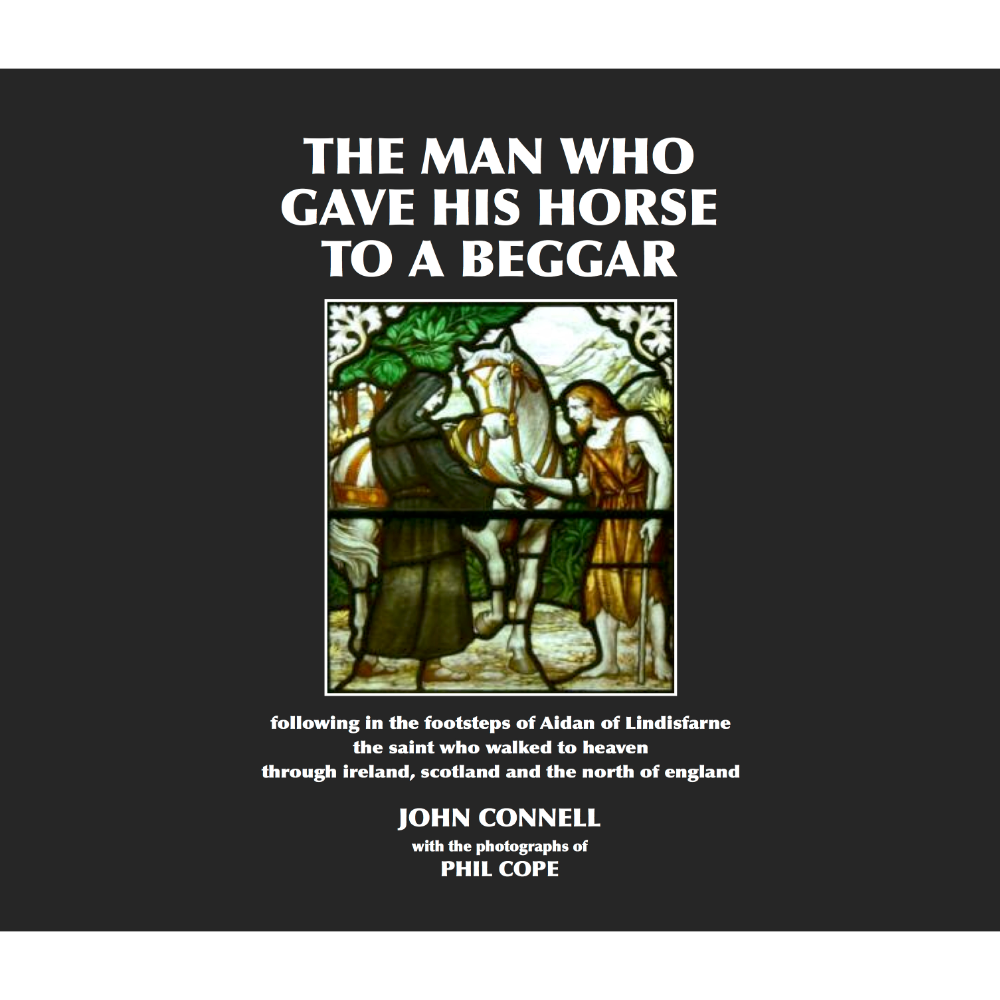 Image 1 of 9
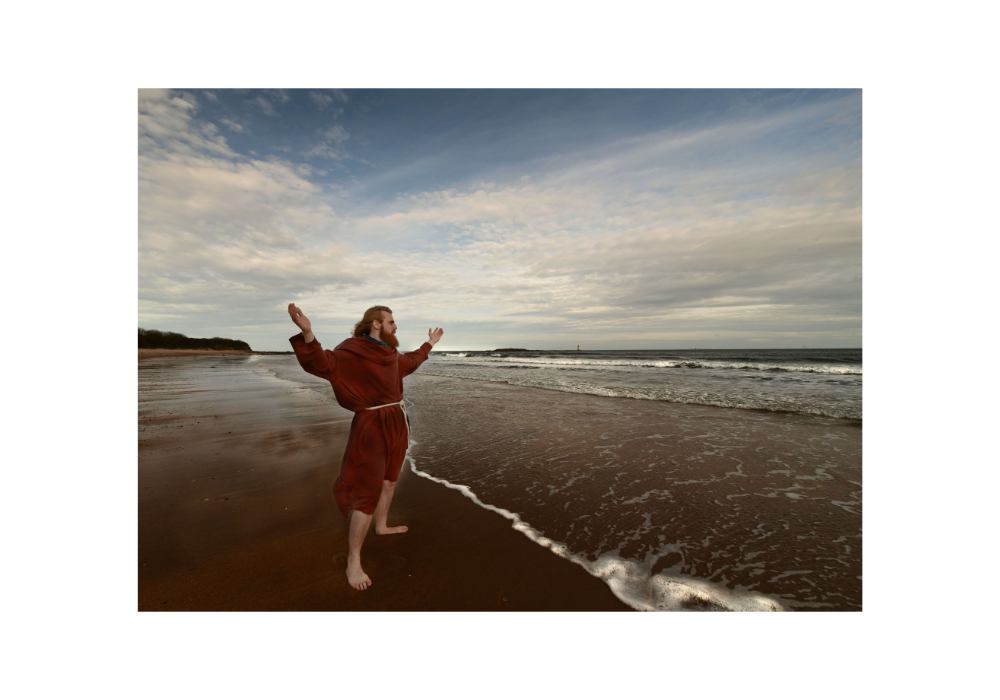 Image 2 of 9
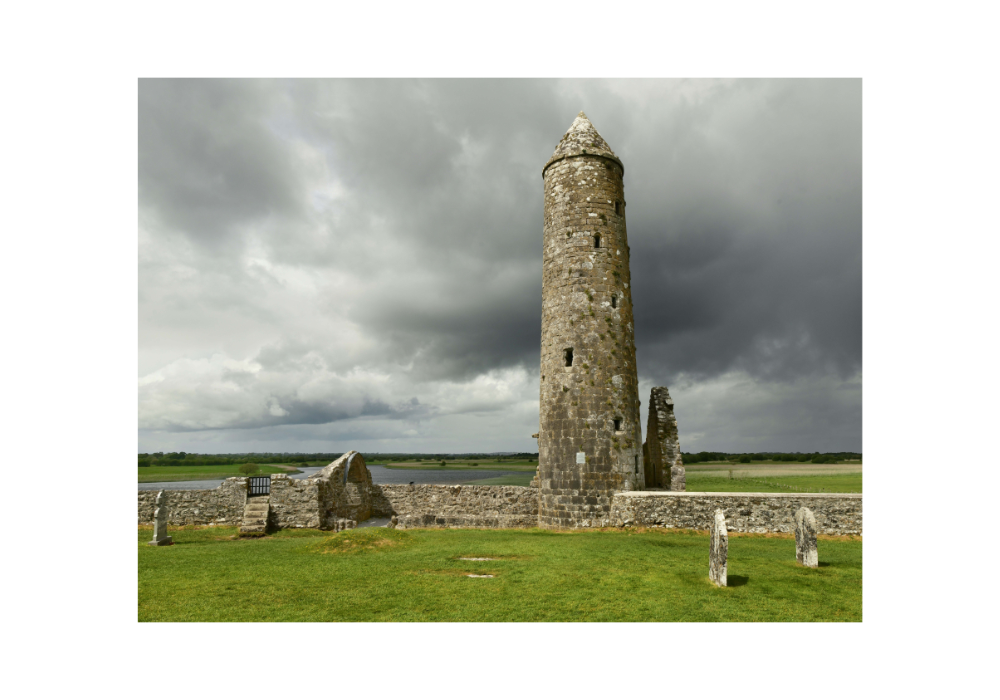 Image 3 of 9
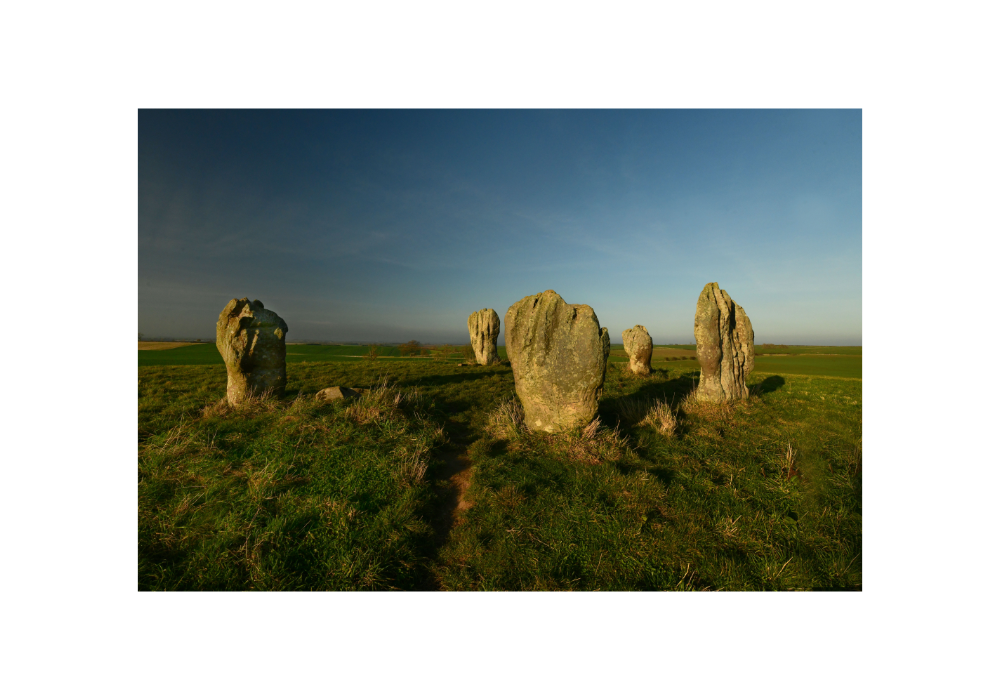 Image 4 of 9
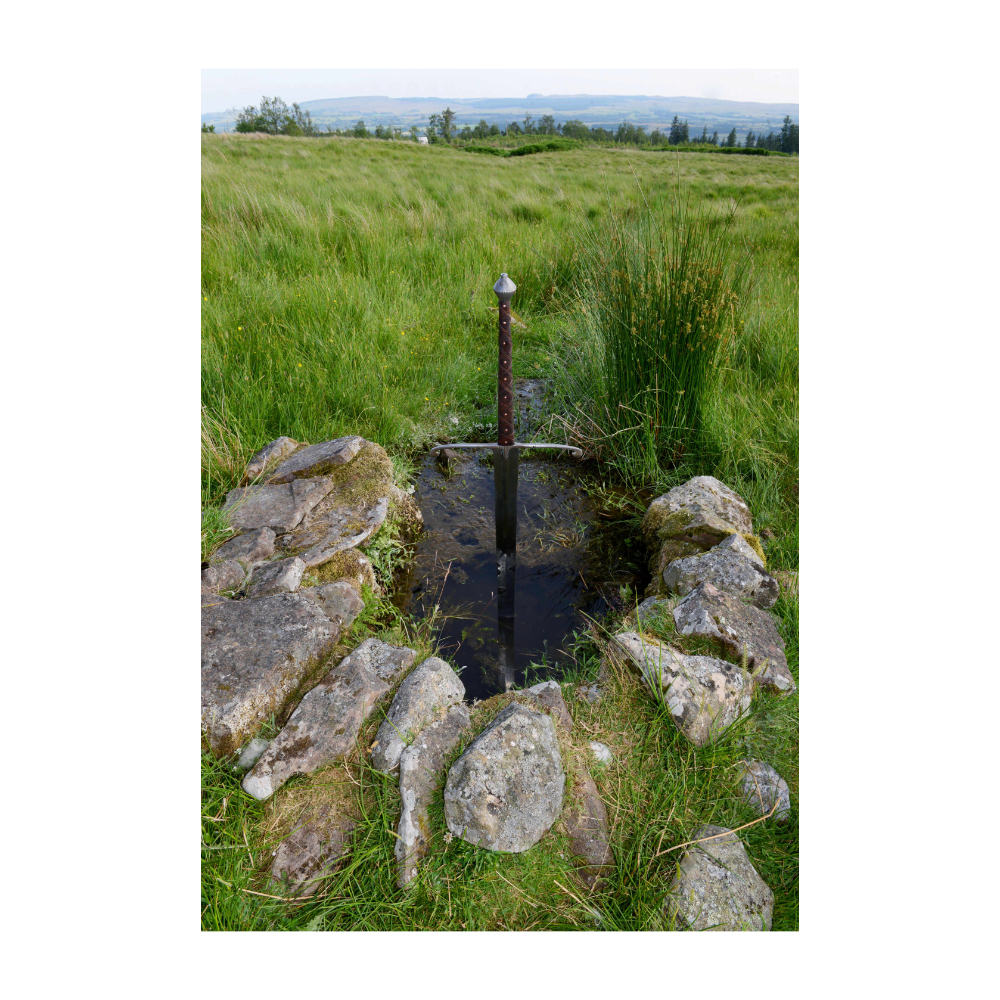 Image 5 of 9
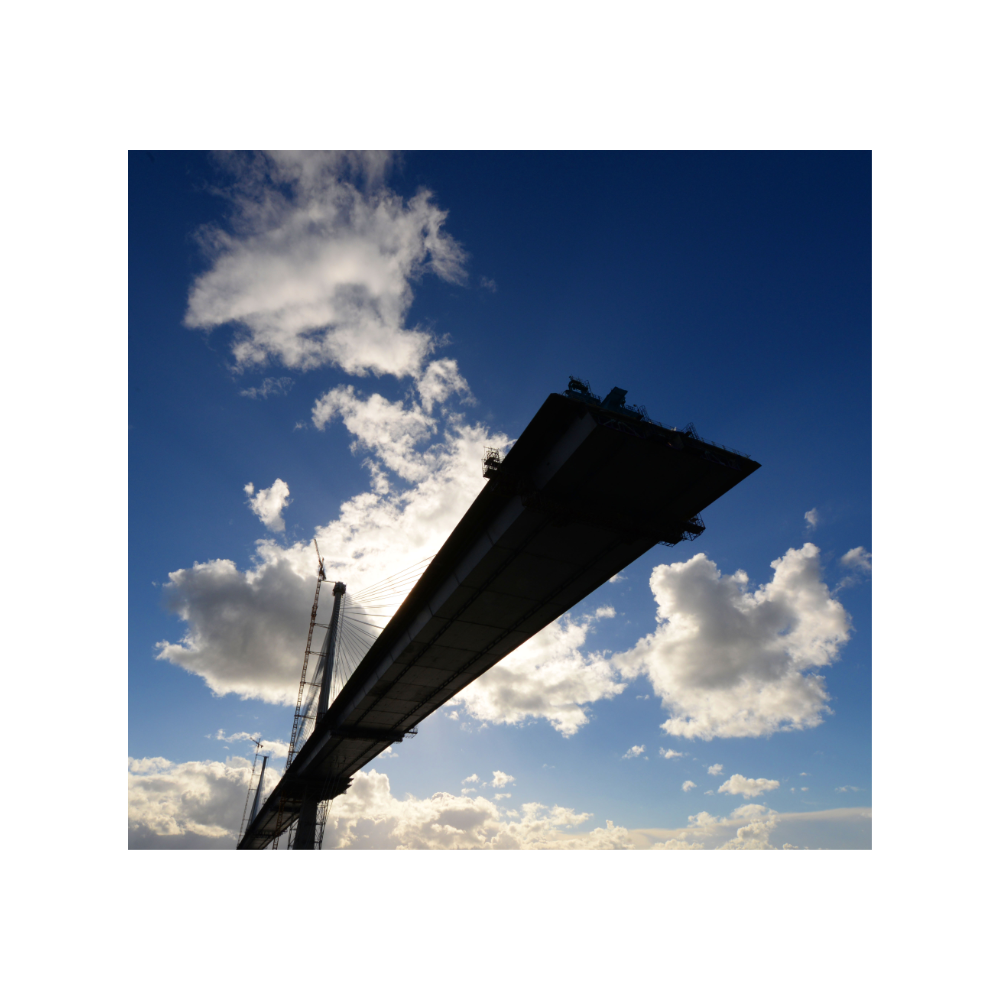 Image 6 of 9
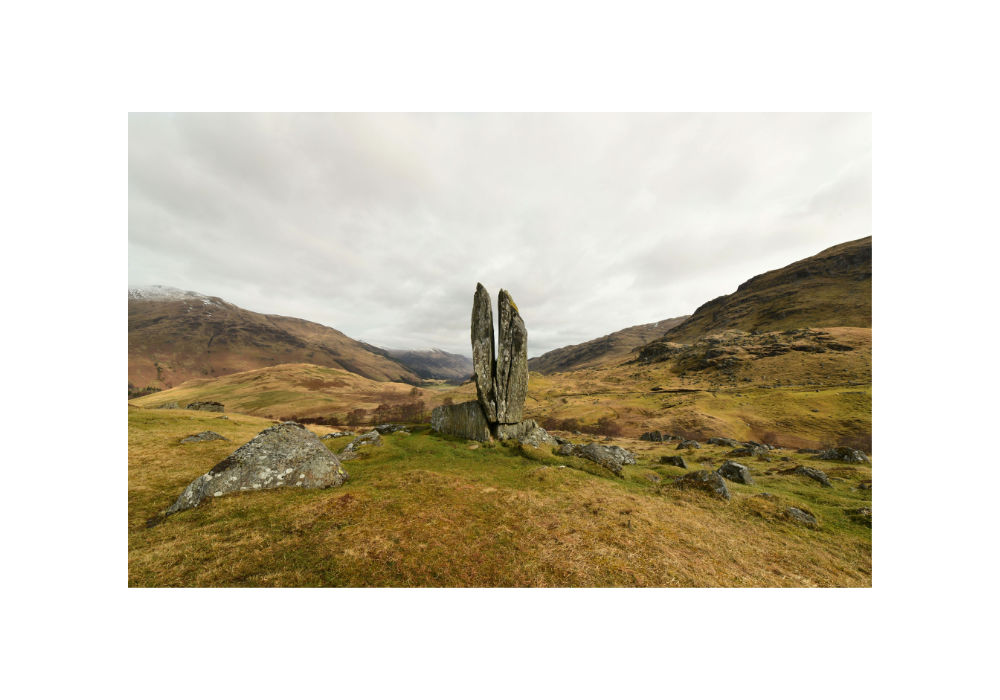 Image 7 of 9
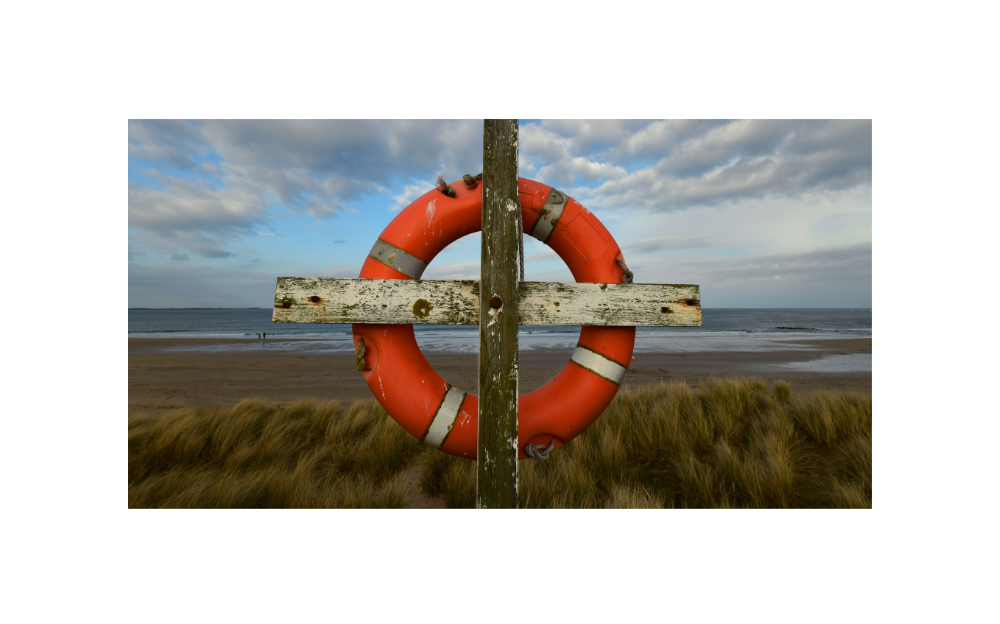 Image 8 of 9
 Image 9 of 9